
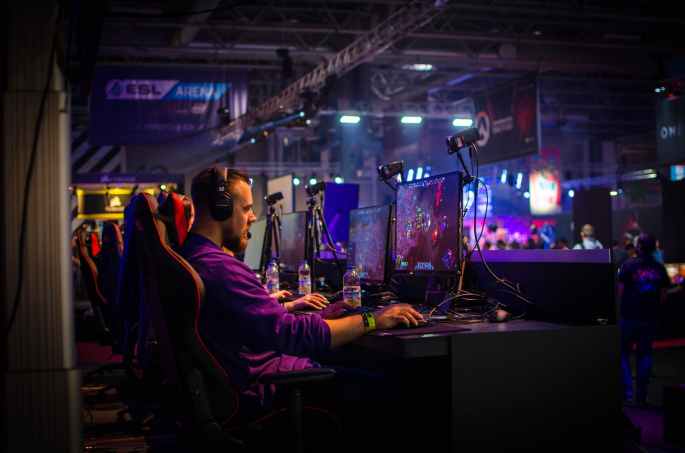
One of the biggest changes in modern gaming has been the combination of the Nintendo Wii and smartphone gaming taking what was once a niche hobby to the wider masses. As you can imagine, this has had a huge impact on everything from the way games are structured to the way they are made and the stories that they tell.
Indeed, many longtime gamers bemoan the current state of the industry with many looking back to a golden age before everyone else got in on the fun.
And that’s basically what happened: Experiencing record revenues for years, game makers quickly discovered that there’s a ton of dough to be made in catering to what hardcore gamers call “casuals.”
In fact, this led to the resurrection of many old game industry conceits that we thought had died with the arcade such as a pay-to-play option and a renewed emphasis on massive community style games.
Most recently, many gamers perceive the incursion of politics and social commentary in games to be one of the most egregious developments in modern gaming but it is probably not the most impactful when it comes to the structure and content of the modern games industry.
If you want to look for what has had the single biggest impact on games right now, look no further than smartphone and mobile games with everything from subscription models to pay-to-win and pay-to-play models that both evoke the classic arcade and devastatingly undercut the traditional retail model of selling a title at one price and that’s that.
Part of this is the success of subscription models such as those introduced by MMORPGs like World of Warcraft and the like but it has grown into a complex ecosystem with the expansion of games onto mobile devices. Gamers might like to get upset about this or that “social justice warrior” cause in gaming but the real scandal is how gaming is moving away from ownership and towards piecemeal, nickel-and-diming models of business that mean no one will own their games in the future.
How this will change game development and even console releases is already unfolding before our very eyes but will likely get worse over time. If you’ve ever wondered why so much downloadable content is out there then look no further than how lucrative it is to drip feed content than it is to give gamers all they need in one installment as in the past.
The Netflix-style subscription model for streaming games is probably not as offensive to traditional gamers as the idea of subscribing to a game and/or spending tons of money post launch to play the “complete” title. But there’s little sign that this is going to change anytime soon and, in fact, is probably just going to get worse.
That’s because DLC, microtransactions, subscriptions, and every other type of in-game monetization makes publishers a ton of money. To reverse this course, they would have to make the same or equivalent money in some other way but there’s no sign of any of this slowing down.
So next time you wonder what gaming going mainstream really means for all of us you will probably want to put down your latest game development outrage and focus instead on how we are all being lead into a world where no one owns anything and you have to pay for everything in a game.

 shutupand.game.blog